What the MBTA Repair Push Means for The Grid
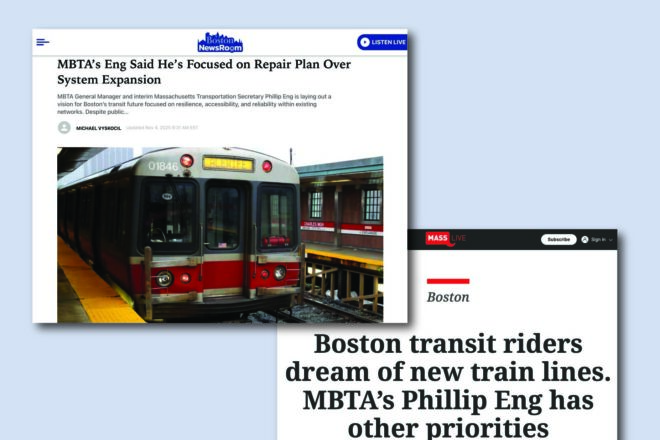
Over the past two months, several news outlets have covered MBTA General Manager Phillip Eng’s priorities for the system, including an in-depth profile on MassLive and a summary from Boston Newsroom. Together, they paint a clear picture:
Over the last two years, the MBTA has replaced dozens of miles of track and removed more than 200 slow zones. For our riders, this has meant a lot of short-term headaches. But over the long term, it will mean fewer surprise delays and more predictable transfers. For The Grid shuttle system as a whole, it will strengthen the day-to-day quality of our service—even if the construction needed to get there requires a lot of patience and teamwork.
Eng has also been candid that the remaining job is huge:
- making stations fully accessible;
- updating train fleets;
- adding more crossovers and track connections so trains can move around a disabled train;
- continuing signal upgrades on the Red and Orange Lines, while bringing the Blue Line up to the same standard in the near future.
Riders should expect more planned outages, bus substitutions, and unusual service patterns as this work continues.
Here at 128 Business Council, we are especially eager for the focus on “state of good repair” to shift to Alewife Station. Alewife is long overdue for a comprehensive overhaul—including a full reconstruction of the parking garage. This matters enormously for The Grid, since eight of our ten routes begin and end there. The long-term viability of Alewife Station is crucial to the long-term viability of our whole shuttle system.
The news coverage also highlights that, even in a hypothetical world where money is no object, Eng says he would prioritize improving the frequency of service on the existing network before considering major projects like new lines or a North-South Rail Link. That translates to a near- to medium-term future where the MBTA map looks largely the same.
For our member companies and communities, the takeaway is to plan around a higher-quality version of today’s MBTA, not the appearance of entirely new lines or stations next to your buildings.
As service improves within the existing MBTA footprint, buildings and campuses just outside that footprint will face growing pressure to invest in those last-mile connections if they want to stay competitive in recruiting and retaining employees and residents. 128 Business Council’s role is to help bridge that gap—linking a more reliable MBTA to the workplaces and homes that depend on it through cooperative, high-quality shuttle services.